





Hello.
My name is Mahta Akhyani.
I am an M.Sc. researcher at GIST (advisor: Prof. Pilwon Hur) working on trust and real-time state‑anxiety estimation in physically coupled human‑robot interaction — and how a wearable exoskeleton should adapt its control in response.
Beyond the lab. Close to a decade of self-directed study of psychology sits behind this work — it is much of why the human side of these systems is where I want to be. Outside research I like to combine what I already know how to do, usually pairing engineering with handmade art. I also draw and paint, sometimes to work through something; I played the santur, spent a semester in my B.Sc. theatre club, and swim long distances. Mostly I stay with a problem — quietly and consistently — until I understand it, and I would sooner combine three fields than pick one.
- Email: mahta.akhyani@gm.gist.ac.kr
- Affiliation: Gwangju Institute of Science and Technology (GIST), South Korea
Current Research
Trust and state anxiety in physically coupled human–robot interaction
I build closed-form, real-time estimates of a wearer’s internal state — state anxiety, trust — from the kinematic and cardiac signals a wearable robot already has, so an exoskeleton can adapt its control before a trust failure is observable. M.Sc. research with Prof. Pilwon Hur at GIST. Read the research →
Research interests
My research sits where robotics meets human physiology and cognition — specifically, how people and machines behave when they are physically coupled to each other. I work on:
- Human-Robot Interaction (HRI)
- Biomechanics
- Wearable robots and exoskeletons
- Social cognitive robots
I am excited to further explore these domains through hands-on research projects, collaborations, and publications. My diverse engineering background equips me to tackle these topics through an interdisciplinary approach.
About Me
My work is on physically coupled human–robot interaction — how a person’s internal state, from state anxiety to trust, shapes their experience of being joined to a machine, and how a wearable exoskeleton should adapt its control in response. So far that has produced a peer-reviewed ICROS 2026 paper and an ACM Transactions on Human-Robot Interaction submission under review.
I came to it from an unusual direction — a B.Sc. in Chemical Engineering (biotechnology) at the University of Tehran, alongside research in social and cognitive robotics, computer vision, and back-end engineering. My thesis, “Design of a mobile robot with SLAM capabilities for pipe inspection in the chemical and petroleum industries,” was awarded the highest grade. Keeping that range is deliberate: it lets me move between materials, algorithms, and the human side of a system in the same project.
Full publication list on the Papers page; scans and awards on Certificates.
Laboratory Experience
-
Brain-phantom synthesis — TeraHertz Systems LabDept. of Electrical & Computer Engineering, University of Tehran
-
Social-robot developer — Advanced Robotics LabDept. of Electrical & Computer Engineering, University of Tehran
-
Chem-E-Car competition — Pharmaceutical LabDept. of Chemical Engineering, University of Tehran
Areas of Interest
Skills
Hard skills
- Python
- ROS
- SolidWorks
- Web development
- Django REST
- Gazebo simulation
- Git
- Computer vision (OpenCV, MediaPipe)
- Raspberry Pi / Arduino / Jetson Nano
- C / C++
- TensorFlow
- NumPy
- Pandas
Soft skills
- Teamwork
- Self-learning
- Fast learning
- Critical thinking
- Creative thinking
- Problem solving
- Adaptability
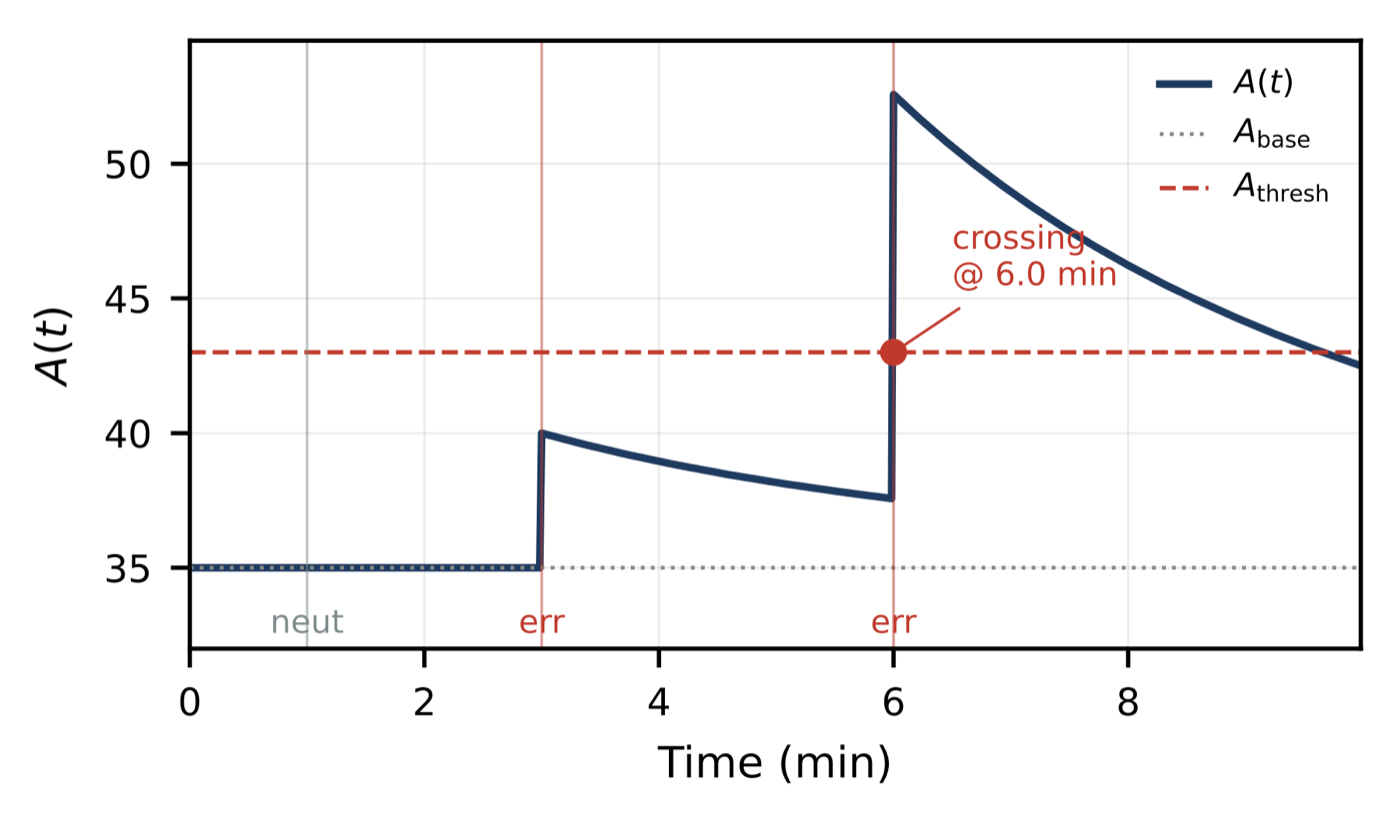
Trust & State Anxiety in Wearable pHRI
A closed-form, real-time model of a wearer’s state anxiety from kinematic and cardiac signals, driving a Trust-POMDP that adapts exoskeleton actuation before trust fails. Peer-reviewed at ICROS 2026.
Read the research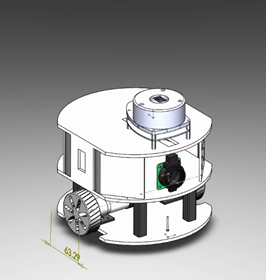
SLAM Mobile Robot
B.Sc. thesis (highest grade): a two-wheeled ROS robot with SLAM for pipe inspection, designed in SolidWorks and validated in Gazebo.
Details
Fanjoo
Co-founder of a peer-knowledge-exchange platform where anyone can teach a skill in short videos and must learn one in return.
Details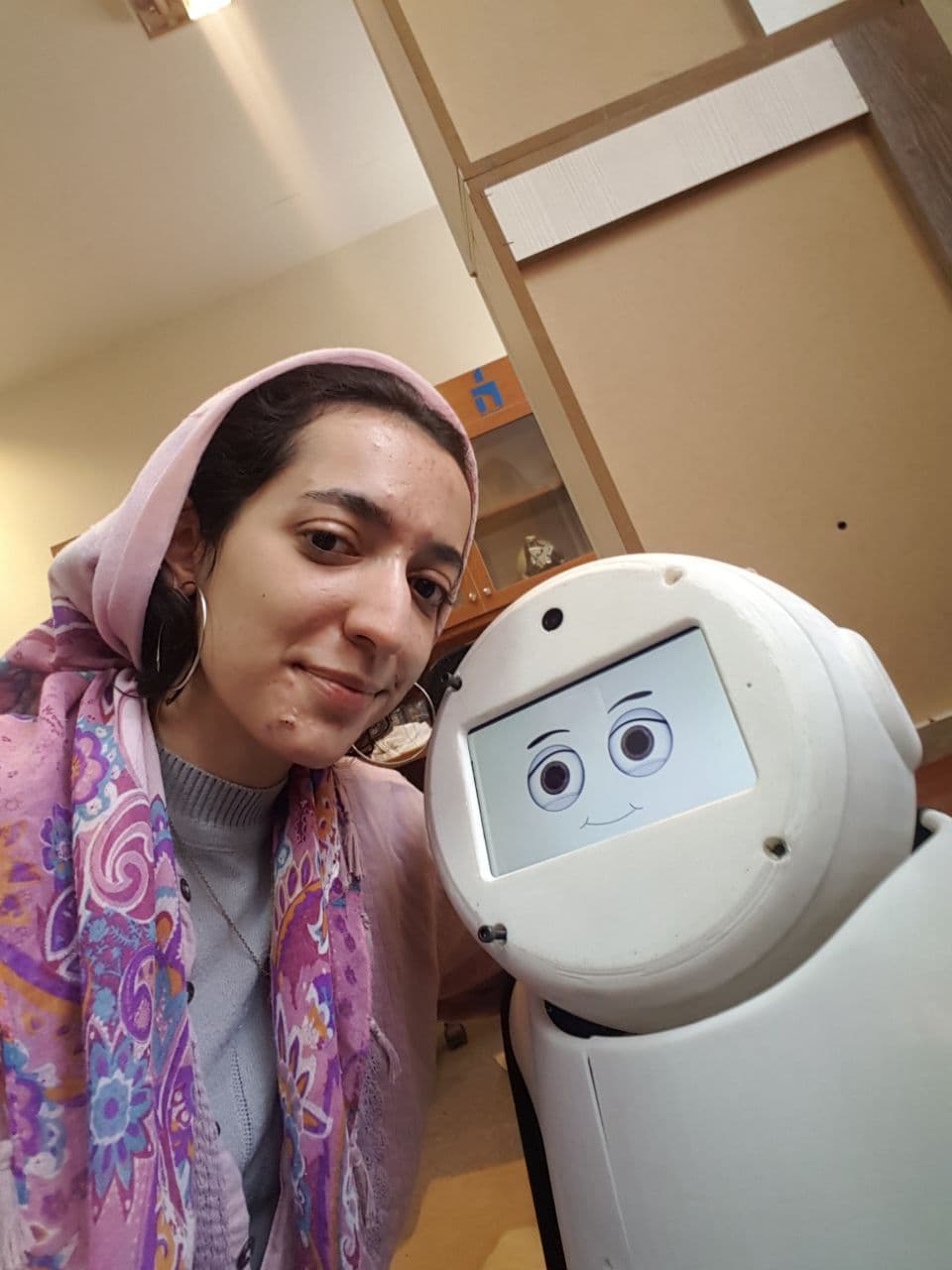
ASD Social Robot
A modular, customizable ROS framework for rapid development of social robots for children on the autism spectrum (arXiv:2311.15780).
Details