





Brake System Design
Chem-E-Car is a project based on students designing a car that is fueled by a chemical energy source. The goal for the car is to carry weights and travel certain distances and stop on the specified line. We chose Zn-O reaction as our electrical battery source and also designed our car's brake system based on the Amonia Fountain phenomenon.
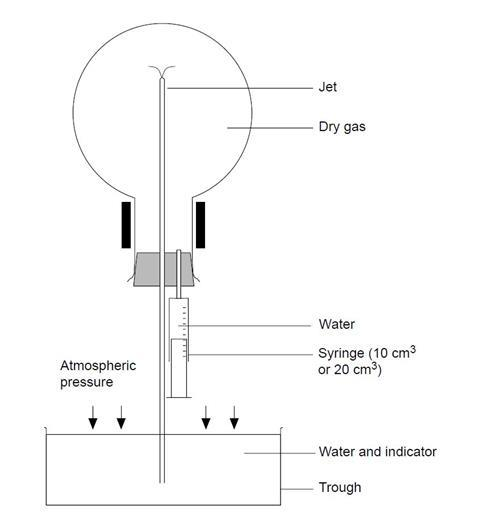
Ammonia Fountain consists of introducing water through an inlet to a container filled with ammonia gas. Ammonia dissolves into the water and the pressure in the container drops. As a result, more water is forced into the container from another inlet creating a fountain effect. [Wikipedia]
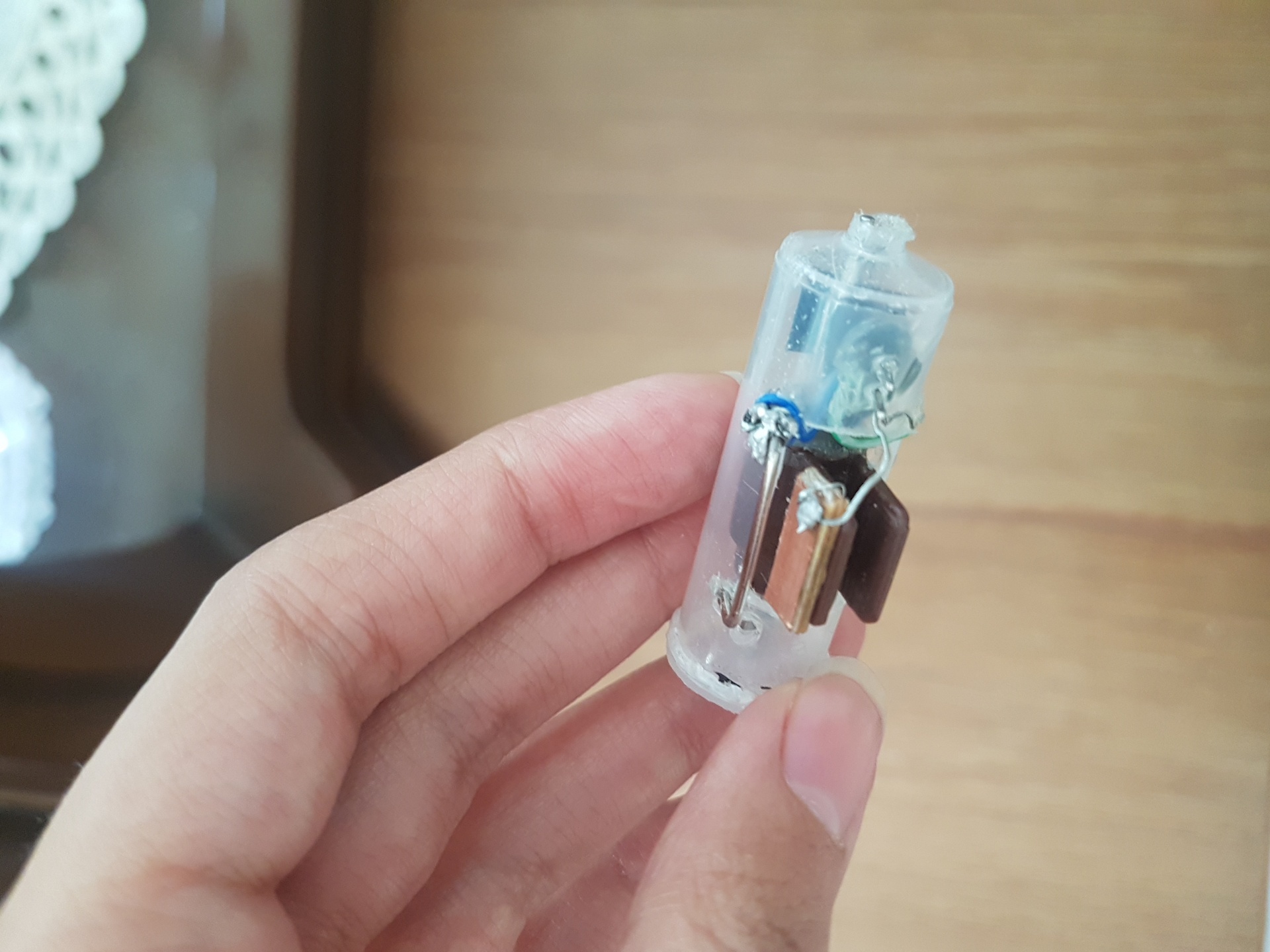
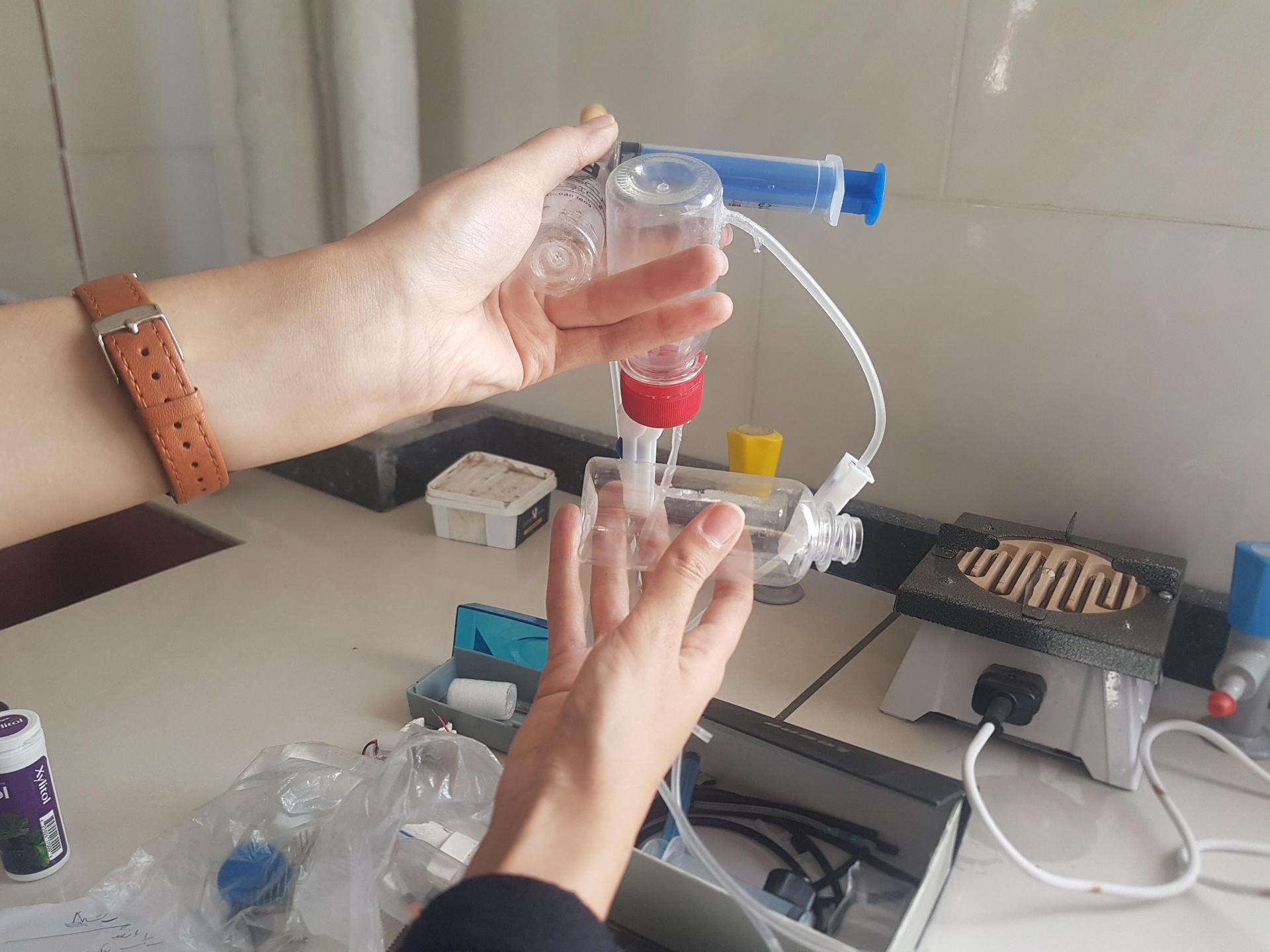
We utilized this effect in a way that basically would work as a pump to drain the water and as the result the water level lowers and ultimately triggers the floating key to disconnect as the water reaches a specific height. The mechanical-electrical switch we designed consisted of a floating object attached to the arm playing the role of an electrical switch. The image below demonstrates one of the designed switches.
After testing the method and making sure it fits our needs for building a brake system for our car, we started creating the pipe-line of the system in order to make the process more controllable, and also to fit fine around the body of robot without any interference with other parts. While the ammonia fountain seemed clearly innovative, process control wasn't as half perfect. There had to be a drop of water traveling along a tube instead of a syring for automation of the brake system. Thus, the velocity of the delivery was an non neglectable impact factor in order to precisely determine the time length it take the drop to reach the gas. Here came another challenge: How exactly should we force the drop to move forward let alone on a steady pace?
A reaction with a positive entropy (e.g, gas producting) was the answer. We decided on the reaction between Al and water which produces a fair amount of H2 gas in a reasonable time. Aluminium powder was used in order to make the reaction faster to meet our needs. The chemical reaction is as follows:
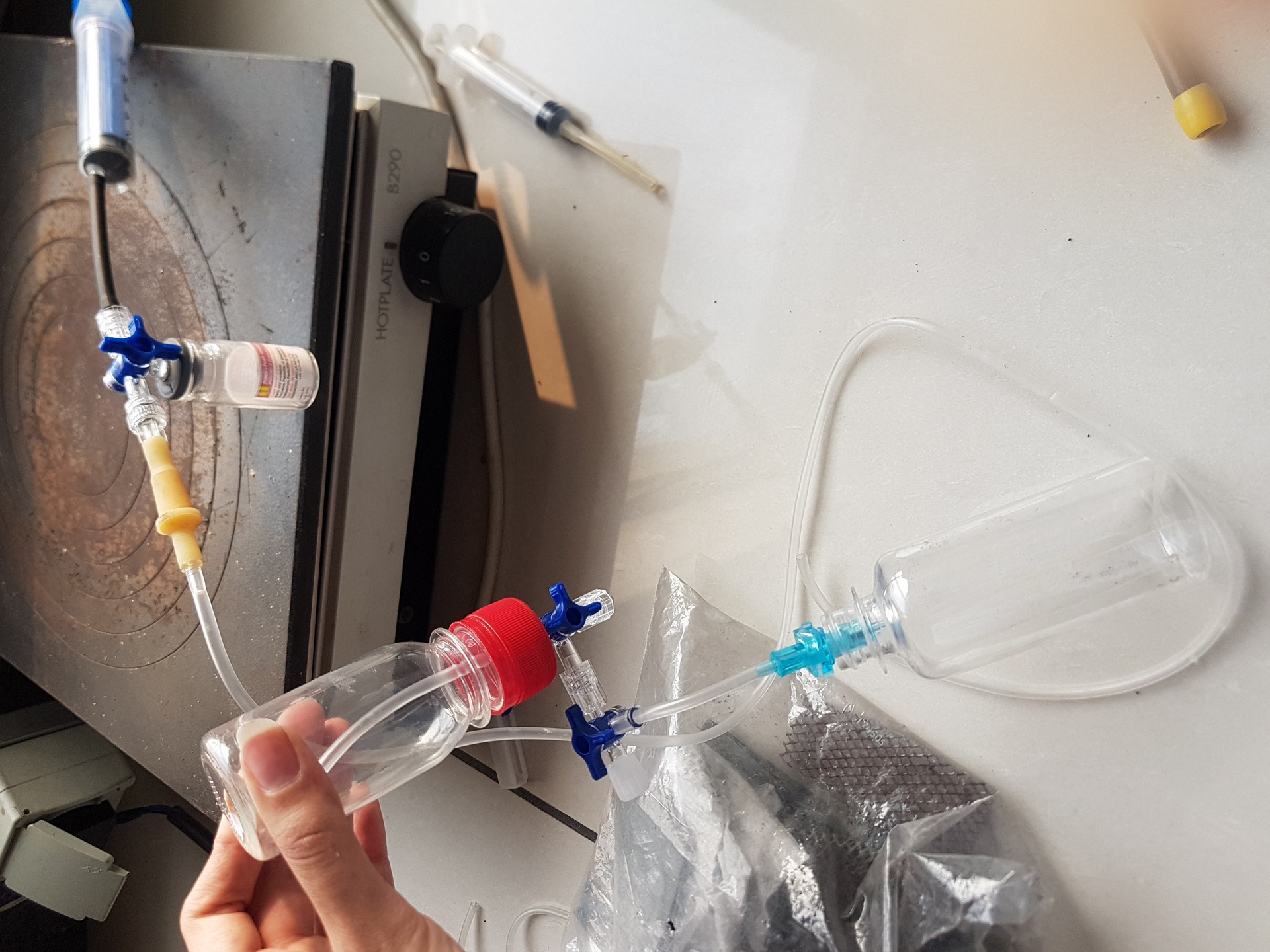
This system needed to consist of a very long straw (aka., pipe) for the H2O drop to move along through it, a sealed bottle of Ammonia gas, a little glass container as a simple reactor for the reaction of Alumminium with water to produce Hydrogen gas, and at last, a glass or bowl of water which the switch is connected to.
The produced H2 gas directly goes into the straw and by time, pushes the drop of water in it forward towards the ammonia container. When the drop reaches the bottle and comes into contact with ammonia gas, it starts to dissolve the gas. The reaction takes place in a blink due to the very high solutability of ammonia. This causes the pressure inside the bottle to rapidly drop and a partial vacuum forms inside the bottle and the external air pressure will force water up the tube that connects bottle to the glass of water with the switch in it.
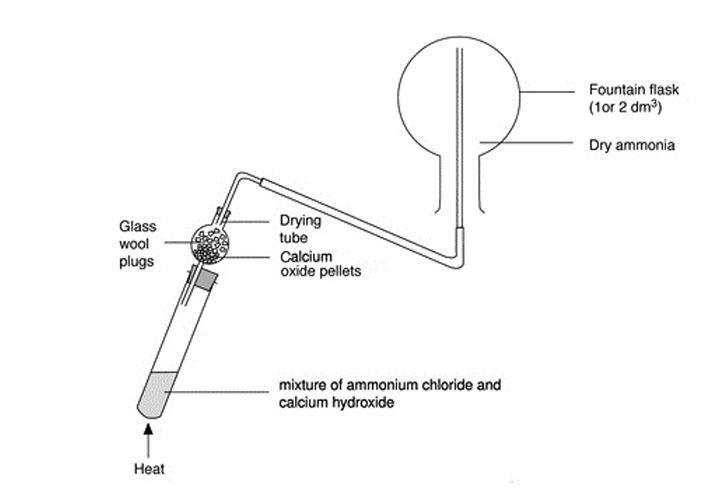
Here is a schematic of the phenomenon that takes place in the second part of the system (Left is the fountain, and right is the procedure for extracting ammonia gas from heating NH4Cl) [image source: edu.rsc.org]
Tests & Final Design Of the Brake section
Chemical Energy Source
The policy of Iran's Chem-E-Car competition strictly limits the car's fuel to electricity producing reactions. No environment toxic left-overs, chemicals, etc. are allowed and if used, the team will be illiminated. The car must not move due to the force of release of a high pressured gas. The car has dimentional limitations announced in the bulletin. It has to be able to carry a minimum weight or you will lose point. The car must be lighter than announced maximum allowed weight.
What kind of battery did we synthesized: Zinc air battery
"Zn-air batteries generate electricity through the electrochemical reaction of Zn and oxygen. During discharge of the battery, Zn anode is oxidized and produces zincate and later changes to zinc oxide whilst, at the cathode, oxygen from the atmosphere undergoes reduction. " [Bumroongsil, K., Arpornwichanop, A., Bumroongsakulsawat, P., Olaru, S. & Kheawhom, S. (2019). Model-Based Analysis of an Integrated Zinc-Air Flow Battery/Zinc Electrolyzer System. Front. Energy Res., . https://doi.org/10.3389/fenrg.2019.00015]
Chemical Equation
Zn + 4OH– → Zn(OH)42– + 2e– (E0 = –1.25 V )
Host Material: Carbon
The carbon mesh acts as a high level electronic conducting host region. The microporous carbon shell slows down the dissolution of zinc species. The air cathode is prepared by covering the graphene pieces on the prepared carbon fabric to form a dense, interconnected and expressive carbon network.
Carbon networks with a large area lead to a high loading of the active cathode per unit volume while maintaining the mechanical and electrical integrity of the air cathode. In addition, carbon-based catalysts have attracted attention due to their large specific surface area, active centers, and good flow conductivity.
Synthesized Membrane:
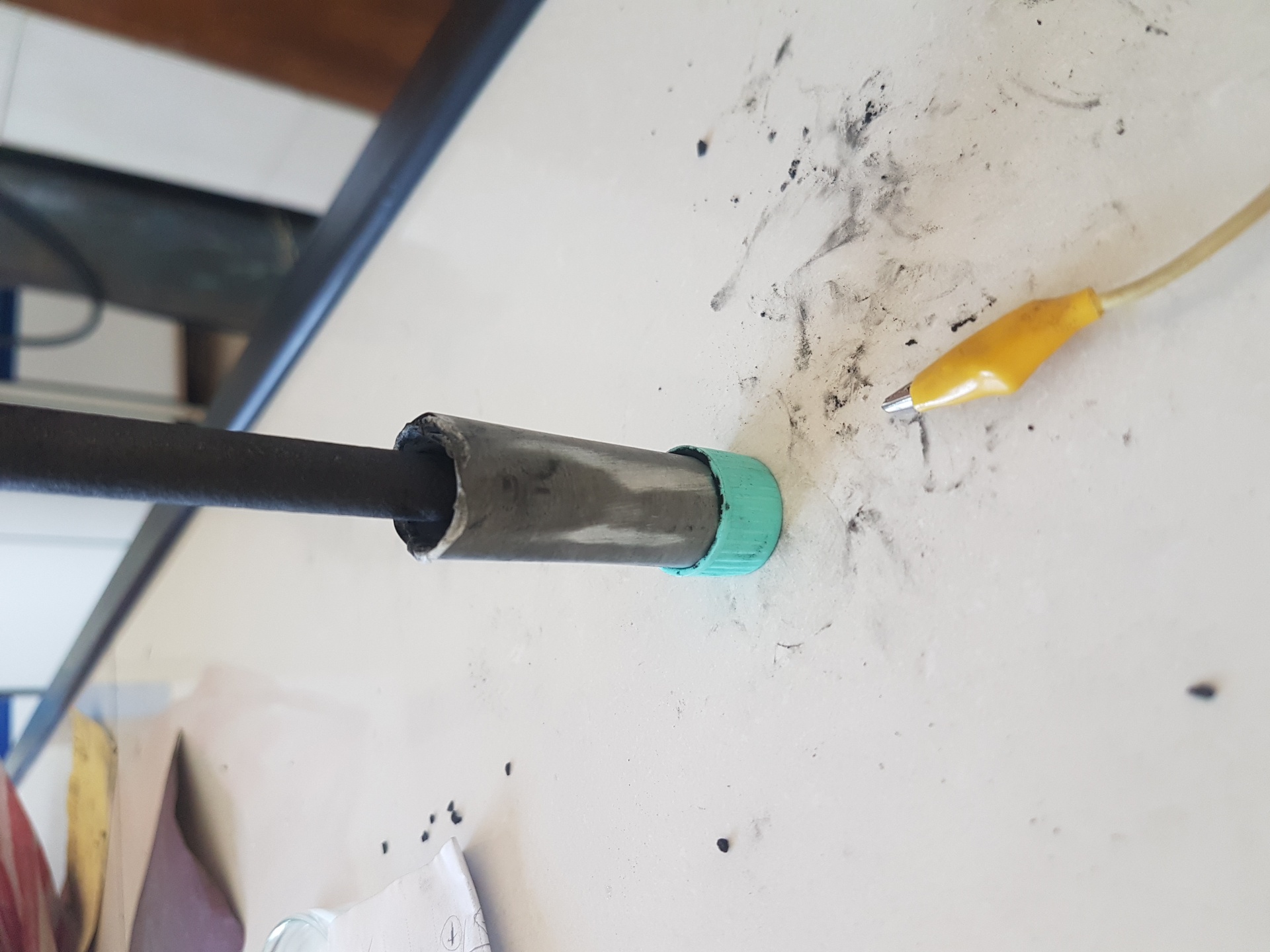
Homogenousely Dissolved NaCO3 in PVA, put to dry to achive a gelatin-formed state. The produced solid is a great conductive material that we used as a membrane between Zn plates and the carbon coated mesh. However, in the last version metalic mesh was removed and carbon was pured into the curved layer of Zn plate over the PVA membrane, ultimately forming a hollow tube - perfect to fill it with carbon. This way, poruses take place around the carbon particles which act as the mesh and can act as a catalyst and air can travel through these gaps while transfering electrones with the Zinc plate.
Gallery